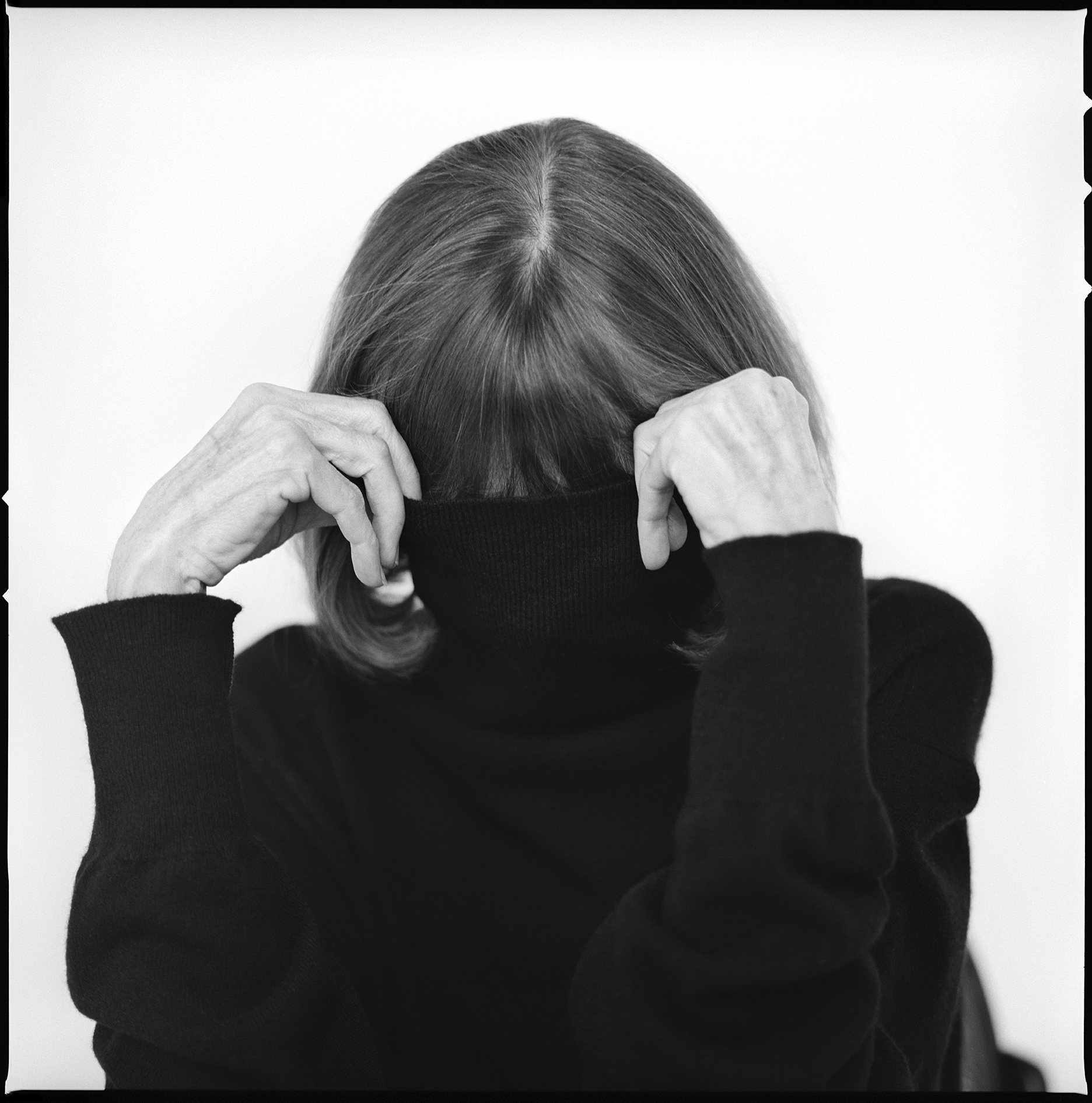
Joan Didion: What She Means is an exhibition as portrait, an examination of the life of the great American artist, Joan Didion, by curator Hilton Als.
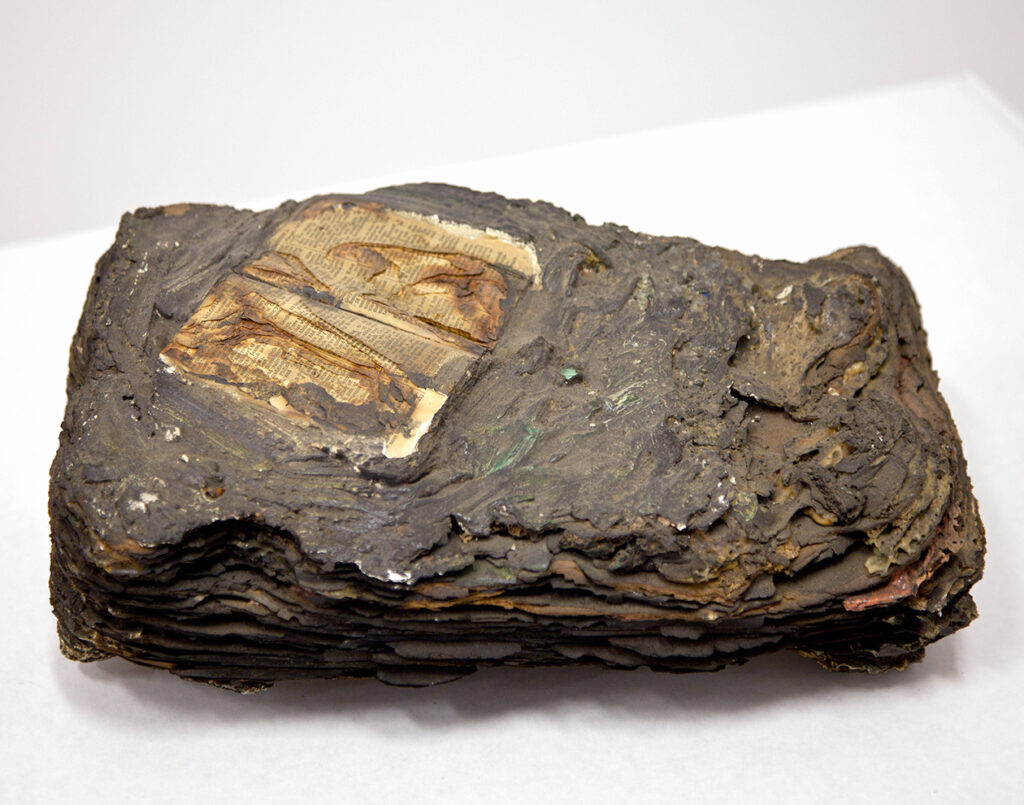
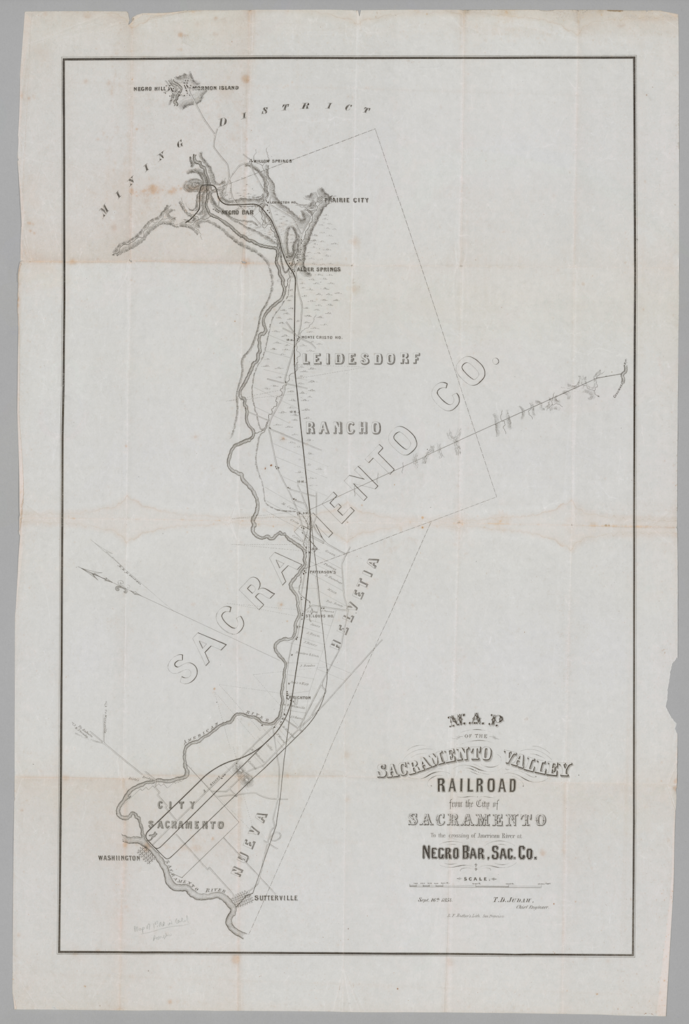
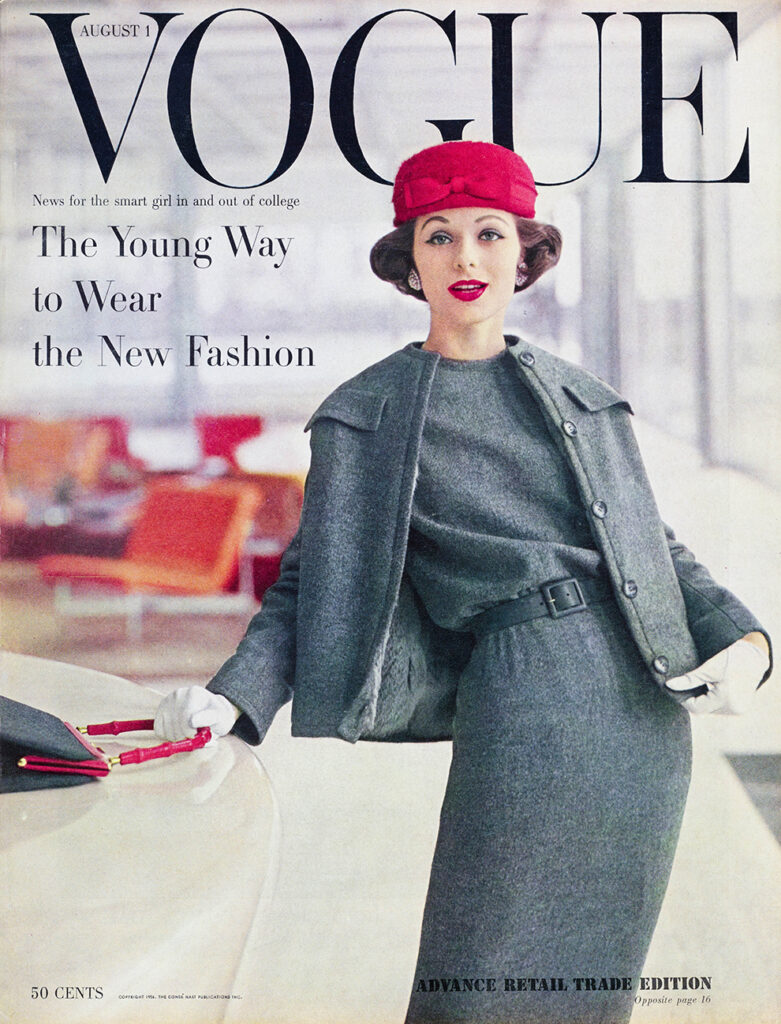
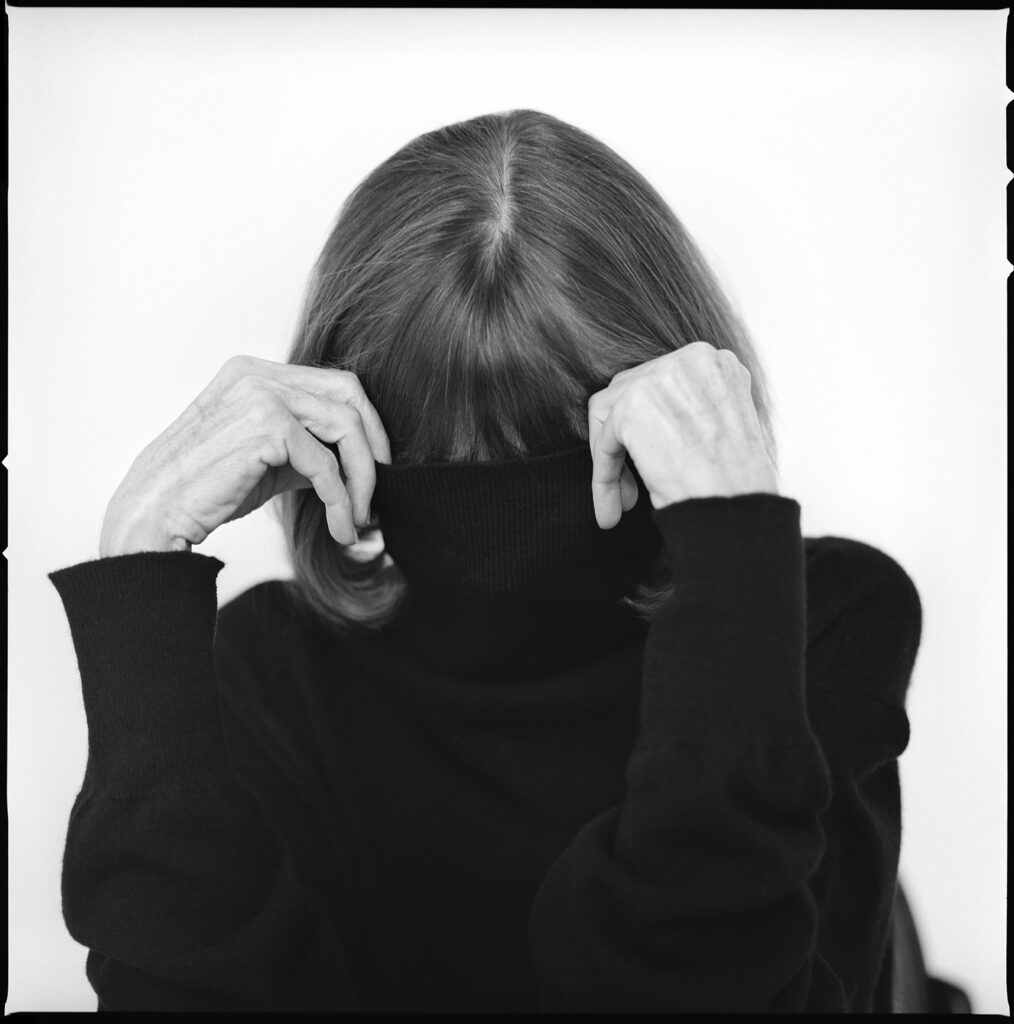
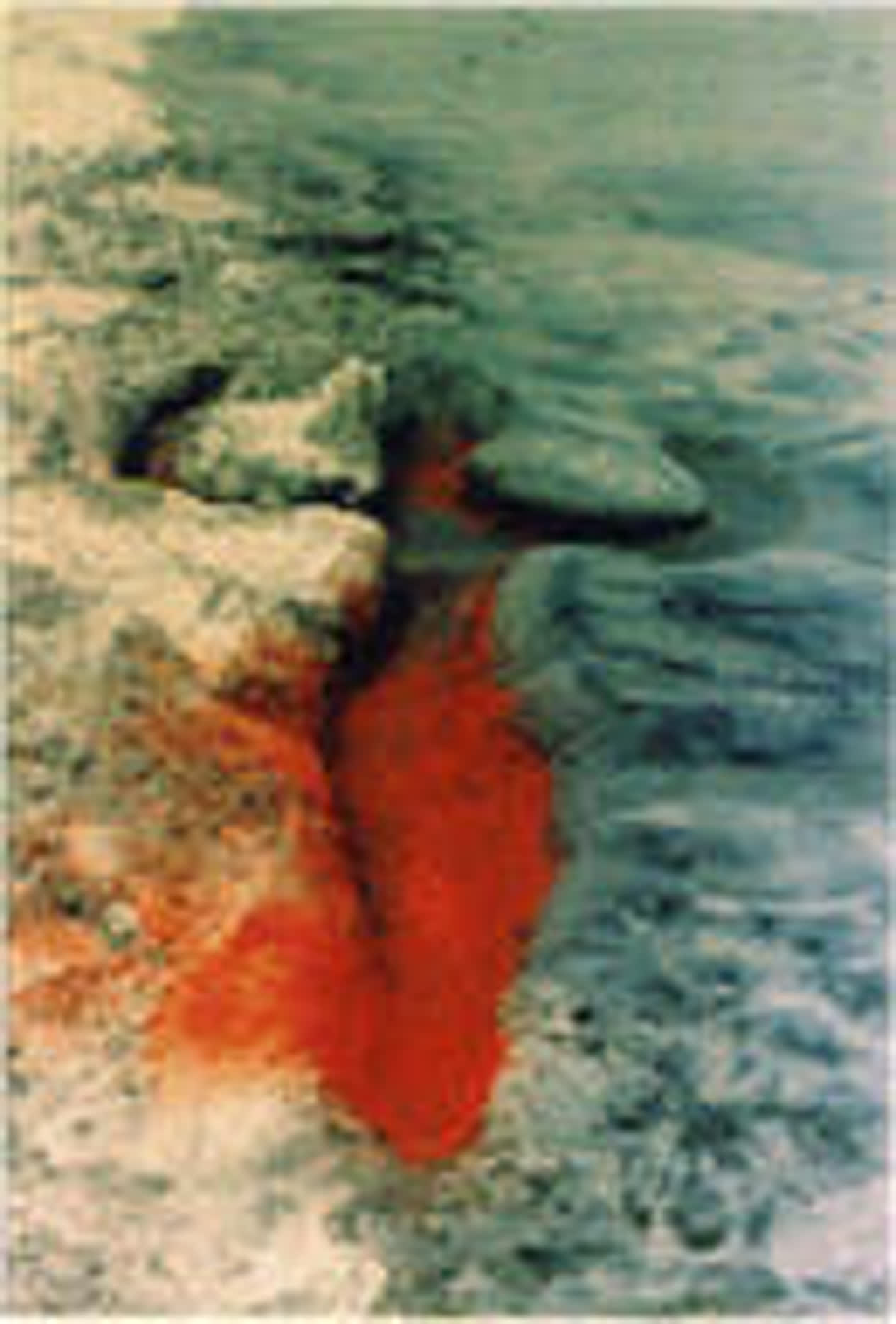
Organized by critically acclaimed writer and New Yorker contributor Hilton Als, the exhibition features approximately fifty artists, including Betye Saar, Vija Celmins, Felix Gonzalez-Torres, Maren Hassinger, Silke Otto-Knapp, Ana Mendieta, and Pat Steir, among many others. The more than 200 objects and artworks include family heirlooms, paintings, ephemera, photographs, sculptures, videos, and footage from a number of the films for which Didion authored screenplays.
Joan Didion: What She Means follows a chronology that grapples with the simultaneously personal and distant evolution of Didion’s voice as a writer and pioneer of New Journalism, with its emphasis on subjectivity, and critique of power. The exhibition closely follows her life according to the places she called home and is laid out in chronological chapters—Holy Water: Sacramento, Berkeley (1934–1956); Goodbye to All That: New York (1956–1963); The White Album: California, Hawai‘i (1964–1988); and the final chapter, Sentimental Journeys: New York, Miami, San Salvador (1988–2021).
Joan Didion: What She Means presentation at the Hammer Museum was made possible by lead funding from Cindy Miscikowski. Major support is provided by Allison Gorsuch Corrigan and Wendy Stark and the Walske Charitable Foundation. Generous funding is also provided by Agnes Gund, Bill Hair, Amara and Alexander Hastings, Maurice Marciano Family Foundation, and Susan Bay Nimoy and Leonard Nimoy, with additional support from Dana Delany, LLWW Foundation, Carla Emil and Rich Silverstein, and Lee Ramer.
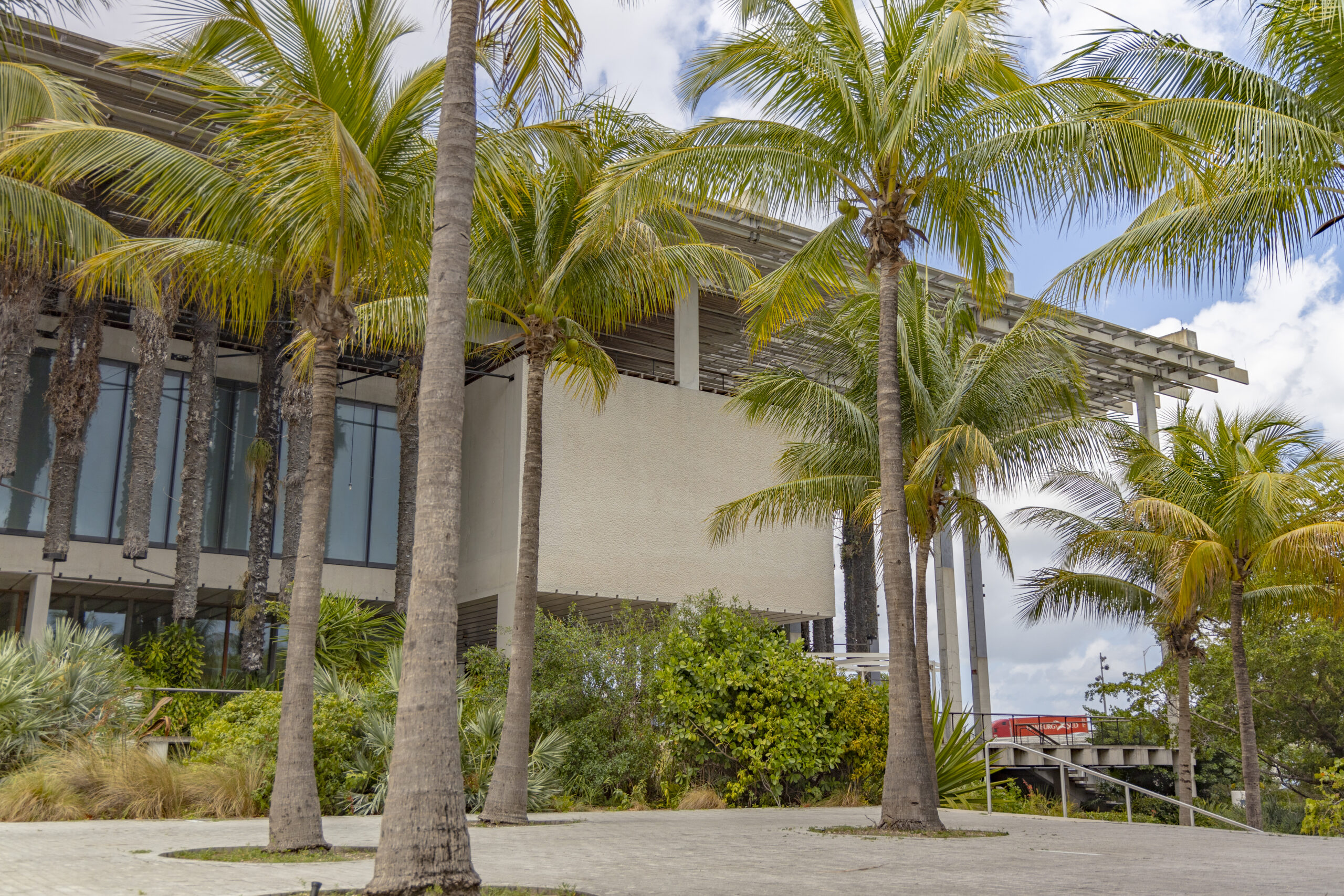
This exhibition is presented at PAMM with support from Patricia and William Kleh, and Crozier.